There are plenty of reasons to travel to Sumba. The beaches are extraordinary, the landscapes feel wonderfully wild, and the island’s traditional villages offer a glimpse into a culture that remains deeply connected to its ancestral roots. But some of Sumba’s most memorable experiences are not found on the beach.
From impossibly blue lagoons to towering thatched roofs and waterfalls hidden in tropical forest, Sumba rewards anyone prepared to venture beyond their hotel. Whether you are staying on the island’s west or southwest coast, exploring the island with a local driver or on a scooter is one of the best ways to appreciate just how varied this destination really is.
Here are two very different day trips that showcase the best of Sumba: one following the island’s dramatic western coastline, the other heading inland in search of waterfalls and lush green landscapes.
1. Beaches, turquoise lagoons and traditional villages
Sumba’s southwest coast is a wonderful combination of wild scenery and cultural heritage. This is a day for taking your time, swimming in impossibly clear water, and learning a little about the island’s distinctive architectural traditions.
Pantai Mandorak: a tiny beach with a dramatic setting
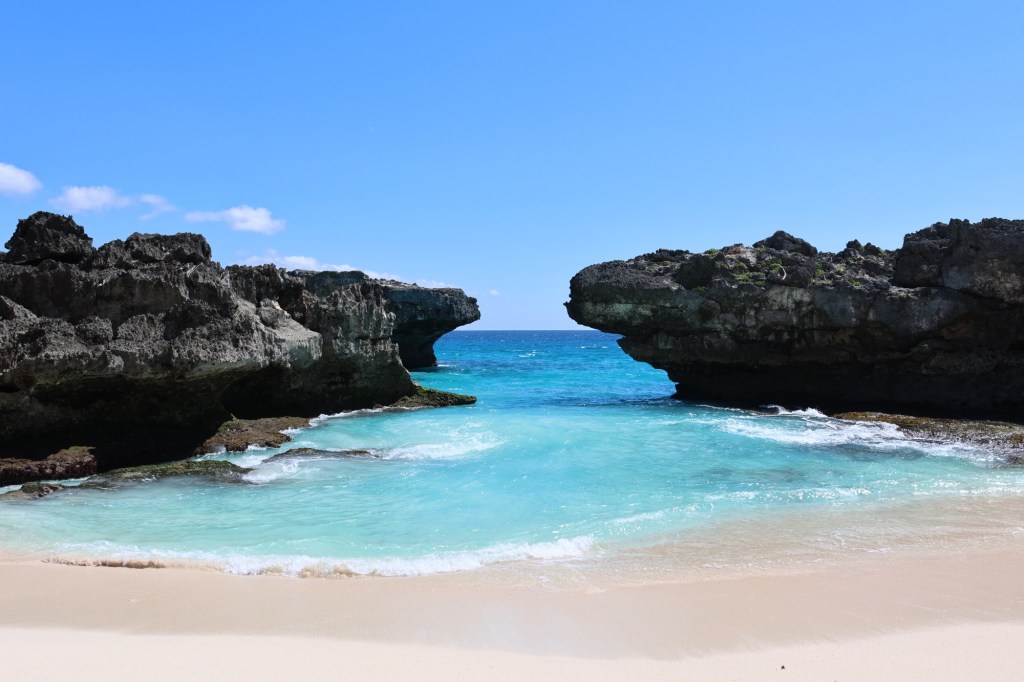
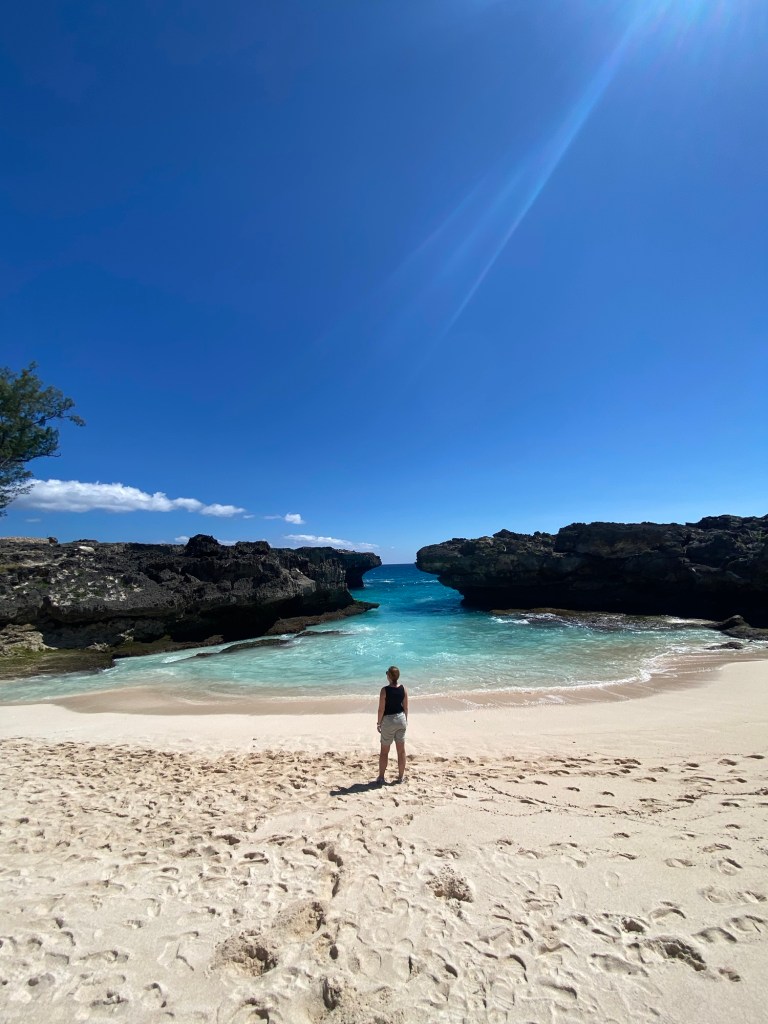
Start at Pantai Mandorak, a small, sheltered beach framed by rugged limestone headlands. It is the sort of place that makes you stop and take in your surroundings before you even think about reaching for your camera.
The contrast between the pale sand, turquoise water and dark, sculptural rocks is spectacular. Unlike Sumba’s long, open beaches, Mandorak feels intimate, with the cliffs creating a natural frame around the sea. Waves roll in through the narrow opening between the rocks, giving the cove a sense of drama despite its relatively small size.
Take a walk along the shore, find a spot to sit and enjoy the view, or simply spend a little time watching the ocean. The conditions can be changeable, so check the surf before swimming and be cautious around the rocks.
Mandorak is a reminder that Sumba’s appeal is not just about beautiful beaches; it is about the extraordinary variety of coastline packed into an island that still feels wonderfully undiscovered. As with many of the spots along this coastline, there are usually a handful of kids waiting for you to arrive and who are likely more capable with your camera phone than you – trust them, engage and for a handful of rupiah, you’ll walk away with some exceptional photos and great memories.
Waikuri Lagoon: nature’s own swimming pool
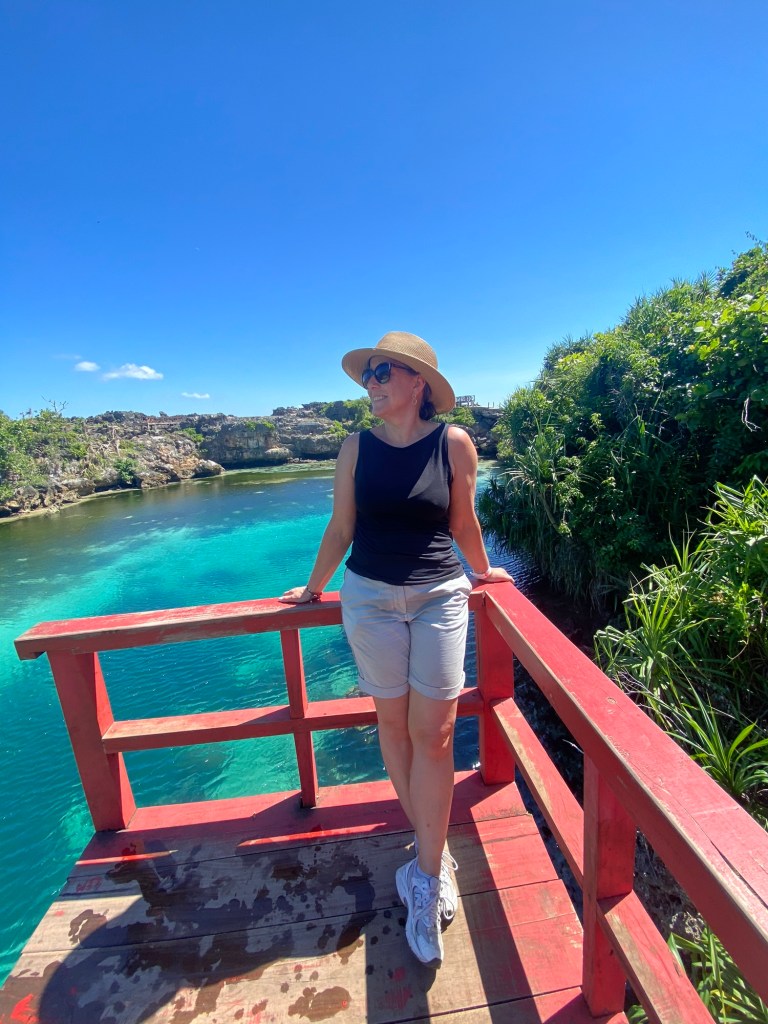
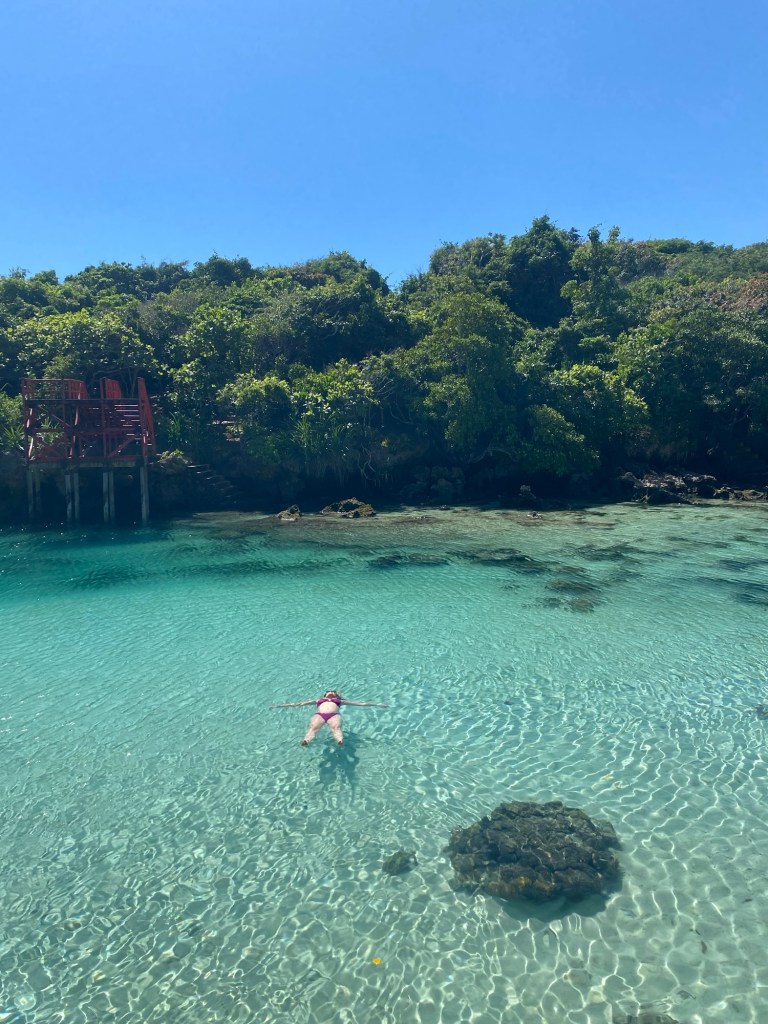
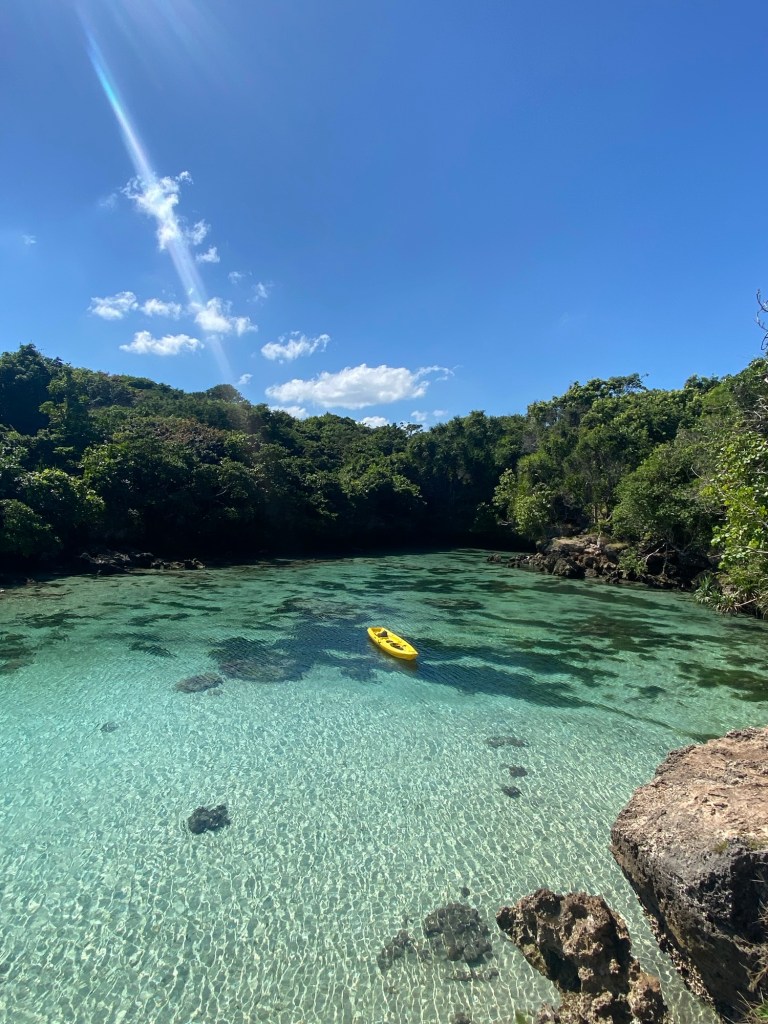
A short drive away, Waikuri Lagoon offers a completely different experience. Known locally as Weekuri, this natural saltwater lagoon is separated from the Indian Ocean by rocky limestone formations, with seawater entering through openings in the surrounding rock.
The result is a pool of astonishingly clear, blue-green water, sheltered from the full force of the open sea. On a sunny day, the colours are particularly beautiful, shifting from pale aquamarine in the shallows to deeper shades of turquoise.
This is the place to slow down. Take a swim if conditions are safe, enjoy the views from the surrounding rocks, or sit quietly and watch the sunlight move across the water. There is something wonderfully peaceful about the lagoon, particularly when you arrive outside the busiest hours.
Bring your swimming things, drinking water and sun protection. Facilities are relatively simple, and you will want to allow enough time to enjoy the lagoon rather than treating it as a quick photo stop.
If you’re lucky, you’ll catch schoolchildren on their way home, and of course, there will be someone prepared to help you with some holiday photos, including the floating on water shot!
Ratenggaro: a glimpse into Sumba’s ancestral heritage
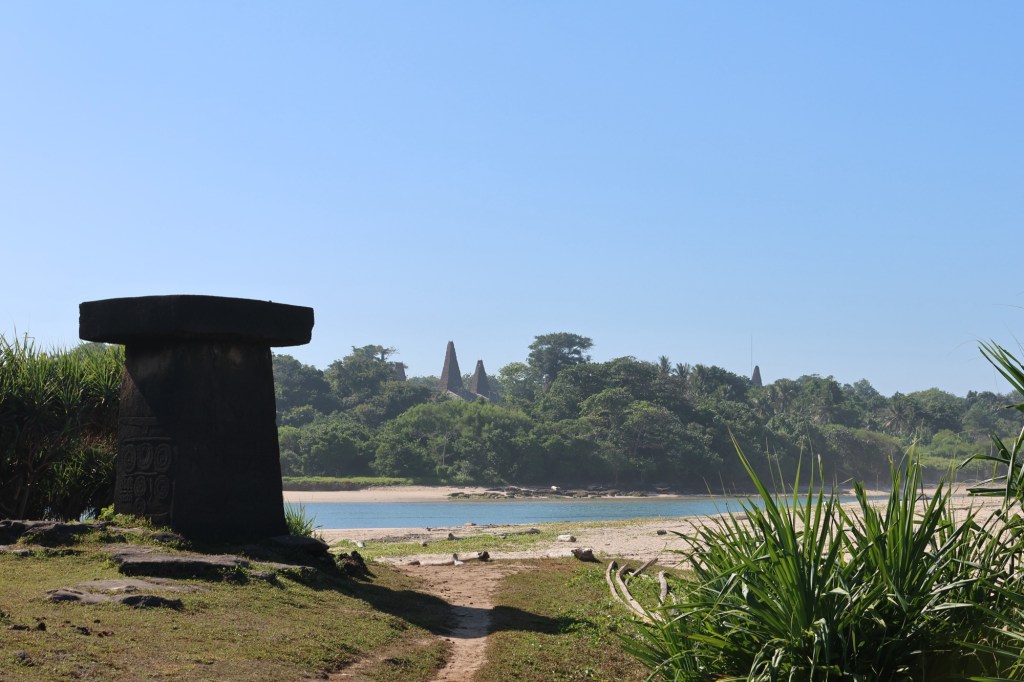
From the coast, turn inland towards Ratenggaro, one of Sumba’s most recognisable traditional villages.
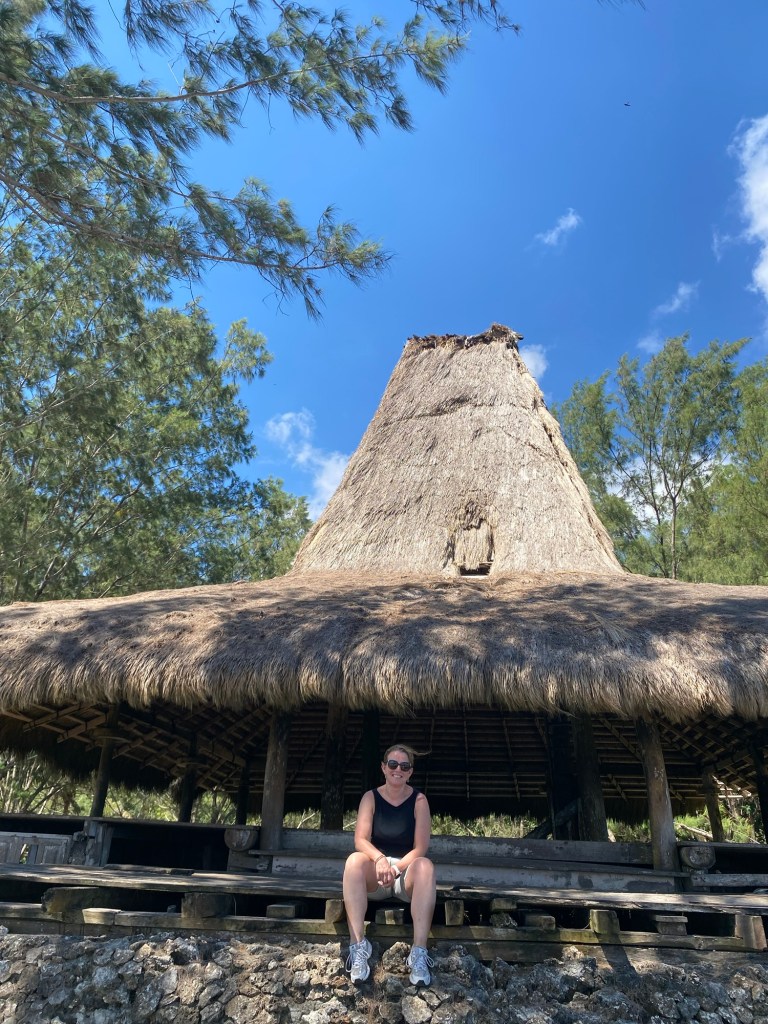
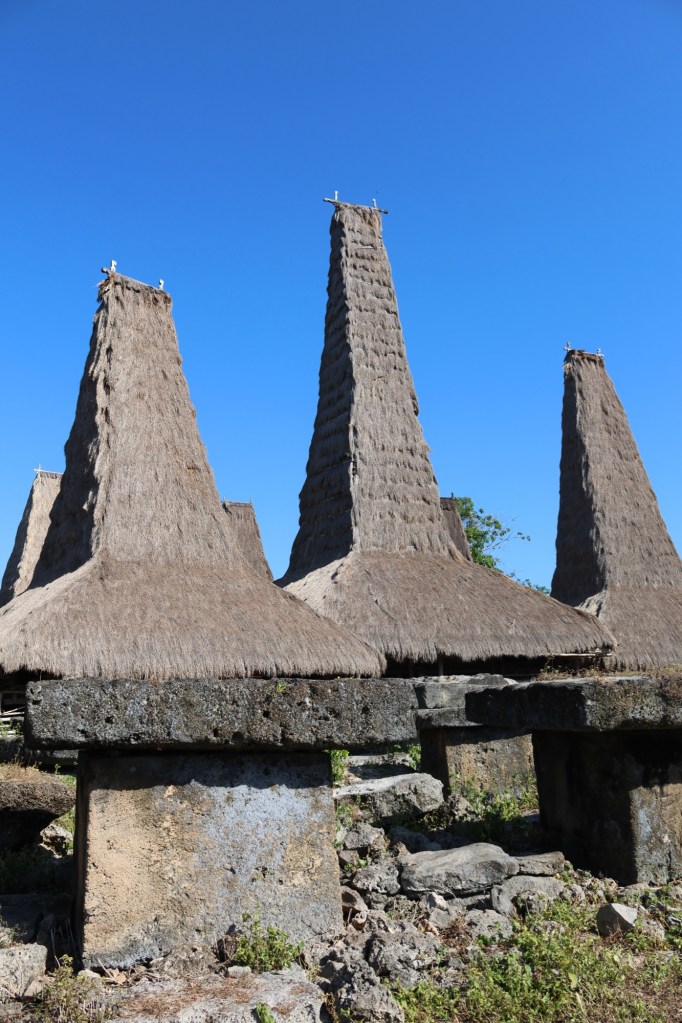
The first thing you notice is the extraordinary architecture. The houses have steep, dramatically pointed thatched roofs that rise high above the village, creating a distinctive skyline against the surrounding landscape. These are not simply picturesque buildings; they are part of a living cultural tradition, closely connected to family, community and the island’s indigenous Marapu belief system. The higher the roof, the closer the spirits to the sky.
Ratenggaro is also known for its megalithic stone tombs, which reflect the continuing importance of ancestors in Sumbanese culture. Exploring the village offers an opportunity to understand a little more about the traditions that have shaped life on the island over generations.
This is somewhere to approach with curiosity and respect. It is a living community, not an open-air museum, although there is plenty of opportunity to pick up souvenirs and take photos.
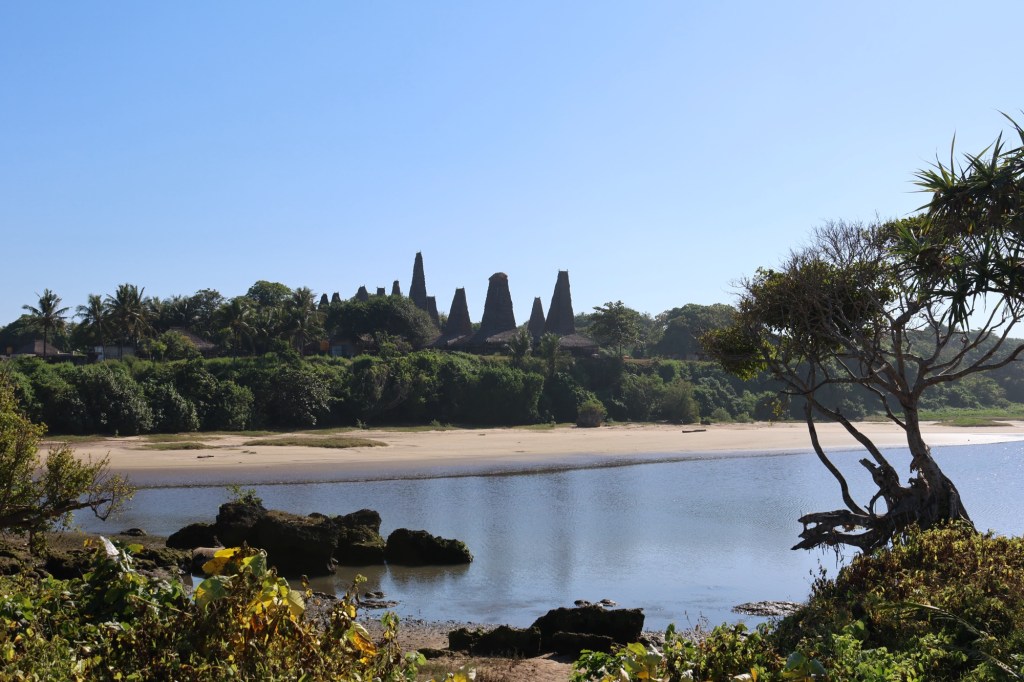
The setting adds to the experience. The village sits close to the sea, with the surrounding coastline providing a striking backdrop to its tall roofs and ancient stone monuments. It is one of those places where Sumba’s natural beauty and cultural identity come together particularly vividly.
Pero Beach: a quieter end to the day
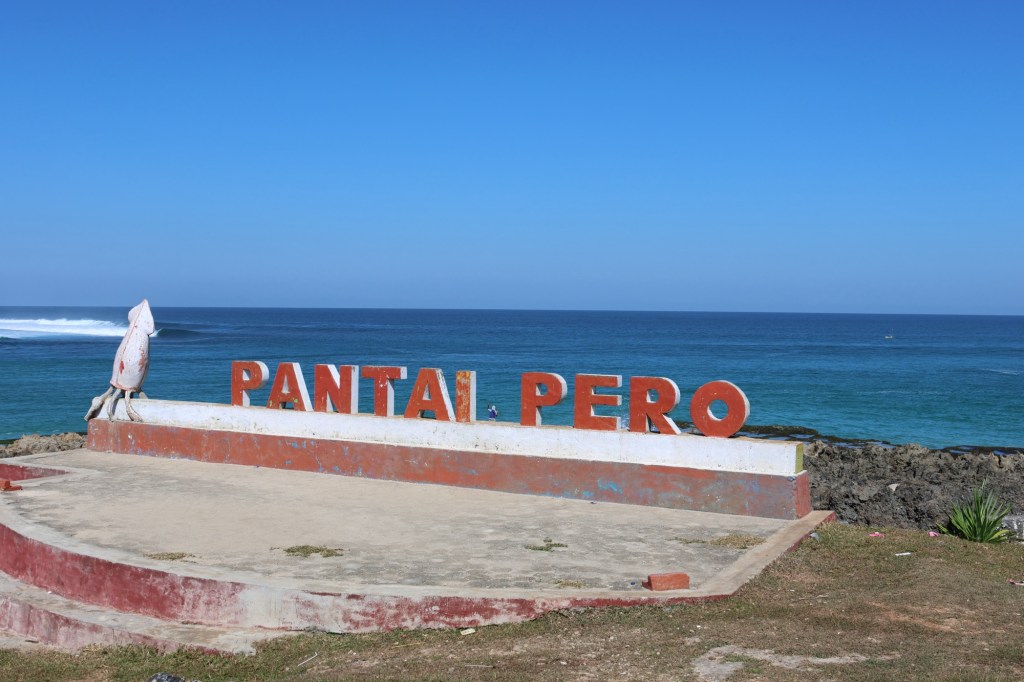
Finish the day at Pero Beach, where the landscape opens out into a more expansive stretch of coastline.
Pero has a different character from Mandorak’s enclosed cove. Here, the ocean feels bigger, the shoreline more open and the waves a reminder of the powerful Indian Ocean that surrounds Sumba. It is a lovely place for a final walk, a little photography or simply watching the light change as the afternoon draws to a close.
The beach is also associated with local fishing life, adding another dimension to the coastal scenery. Depending on the conditions and the time of year, the sea can be rough, so this is better approached as a place to enjoy the landscape than as a guaranteed swimming stop.
If the timing works, stay for the late-afternoon light. Sumba’s sunsets can be beautiful, and there is something satisfying about ending a day of exploring with nothing more pressing to do than watch the horizon.
The day-trip verdict
This is a full day out, with several stops that deserve more than a few minutes. The order can be adjusted according to your starting point, the weather and the best light, but a local driver can help you make the most of the route without spending unnecessary time retracing your steps.
For me, the appeal of this excursion is the contrast: a secluded cove, a natural swimming lagoon, a traditional village and a wild stretch of beach, all within one remarkable corner of Sumba.
2. Chasing waterfalls: Matayangu and Lapopu
If Sumba’s coastline is what initially draws you in, its interior is what makes you realise how much more there is to discover.
The journey inland takes you through a changing landscape of open grasslands, rural villages, cultivated fields and increasingly lush vegetation. Away from the beach resorts, the pace of life feels different. The roads become part of the adventure, and the scenery changes as you move towards the island’s forested interior.
For nature lovers, Matayangu and Lapopu waterfalls make an exceptional pairing, particularly when water levels are healthy after the rainy season.
Matayangu Waterfall: a hidden world of green
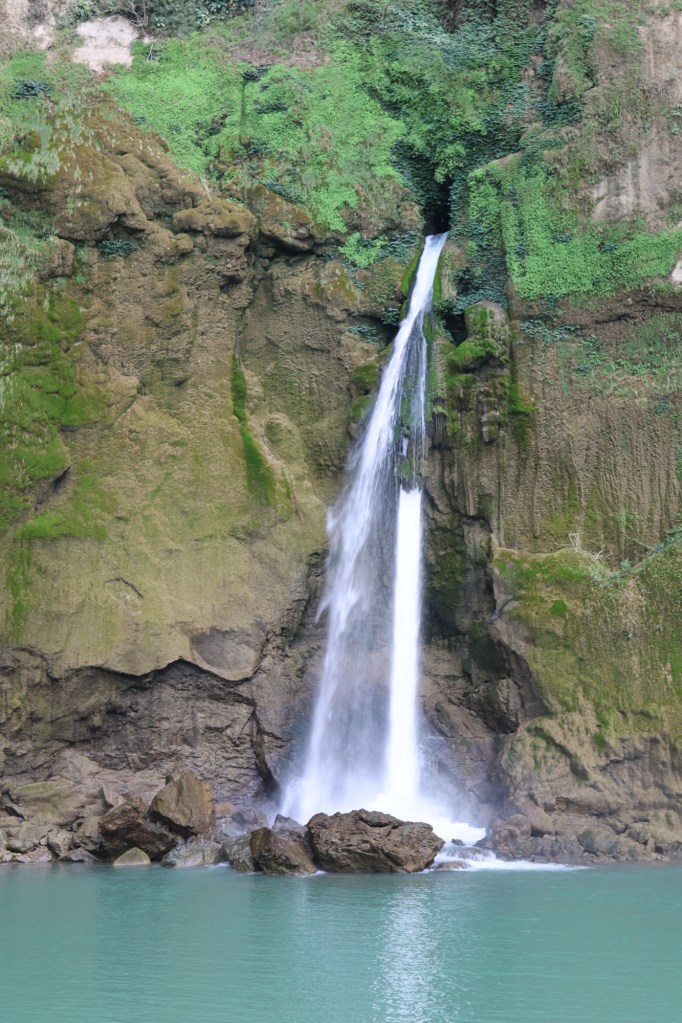
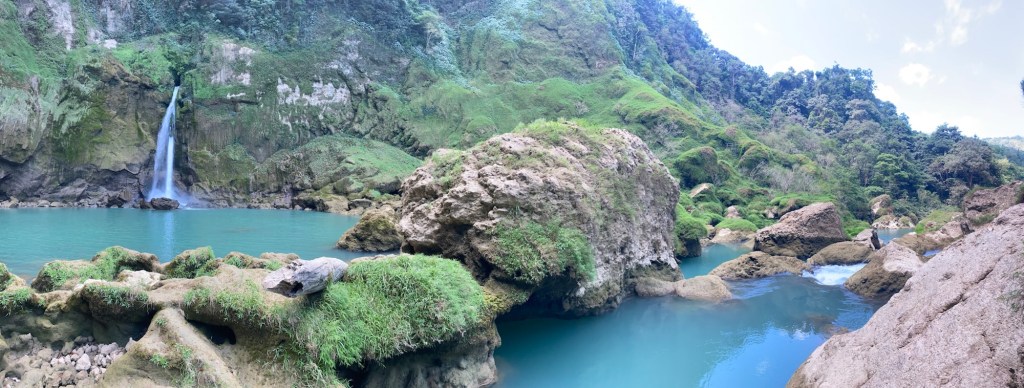
Matayangu is the more dramatic and remote-feeling of the two waterfalls, set within the beautiful landscape of Manupeu-Tanah Daru National Park.
Getting to Matayangu is an adventure in itself, and one I certainly won’t forget in a hurry. This isn’t a case of parking the car and taking a gentle stroll to a pretty viewpoint. Oh no. The walk starts with what feels like an endless flight of steep steps, climbing into the landscape and getting the legs working before you’ve even caught sight of the waterfall. Just when you think the hardest part must be over, things take a rather unexpected turn.
Next comes the water pipe. Yes, really. Rather than a neatly marked walking trail, part of the route follows a large pipe winding through the forest. Walking along it requires a fair bit of concentration, a steady footing and, depending on your comfort with heights, a little courage. It’s not exactly the most conventional way to reach a waterfall, and I found myself more than once feeling a bit like Lara Croft!
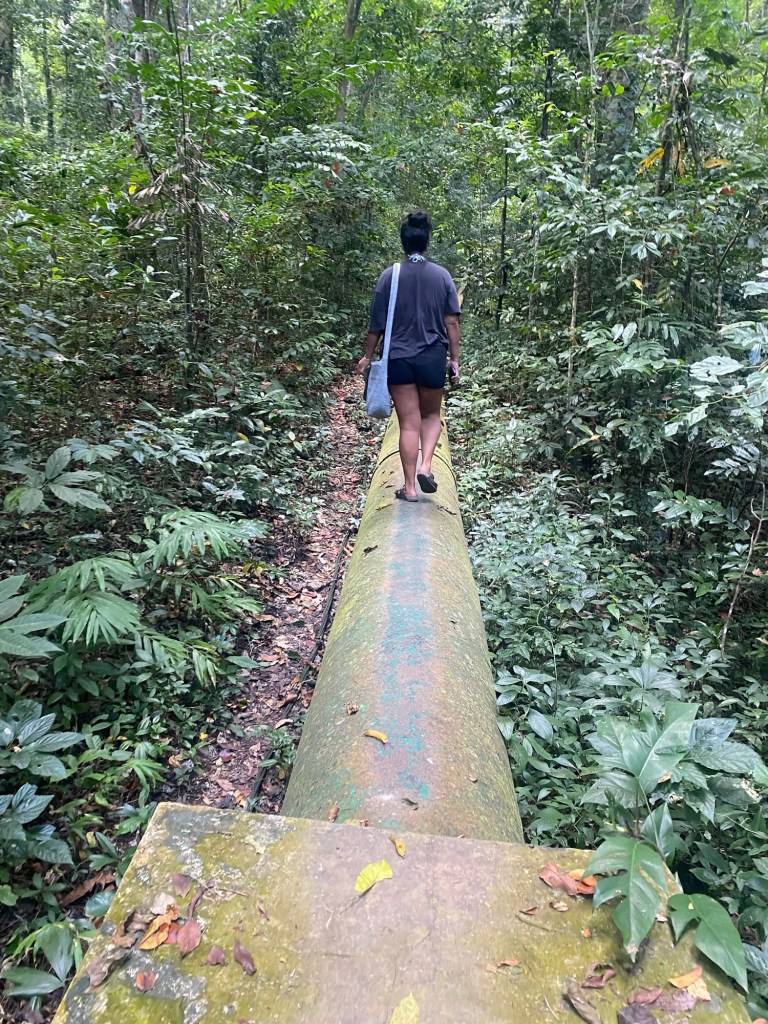
But then comes the best bit. The route leads into increasingly dense greenery, with the forest gradually closing around you. The air is thick and humid, the path becomes muddier underfoot, and the sounds of the outside world begin to fade. There’s a real sense of adventure about it all, as though you’re being led somewhere few people ever get to see.
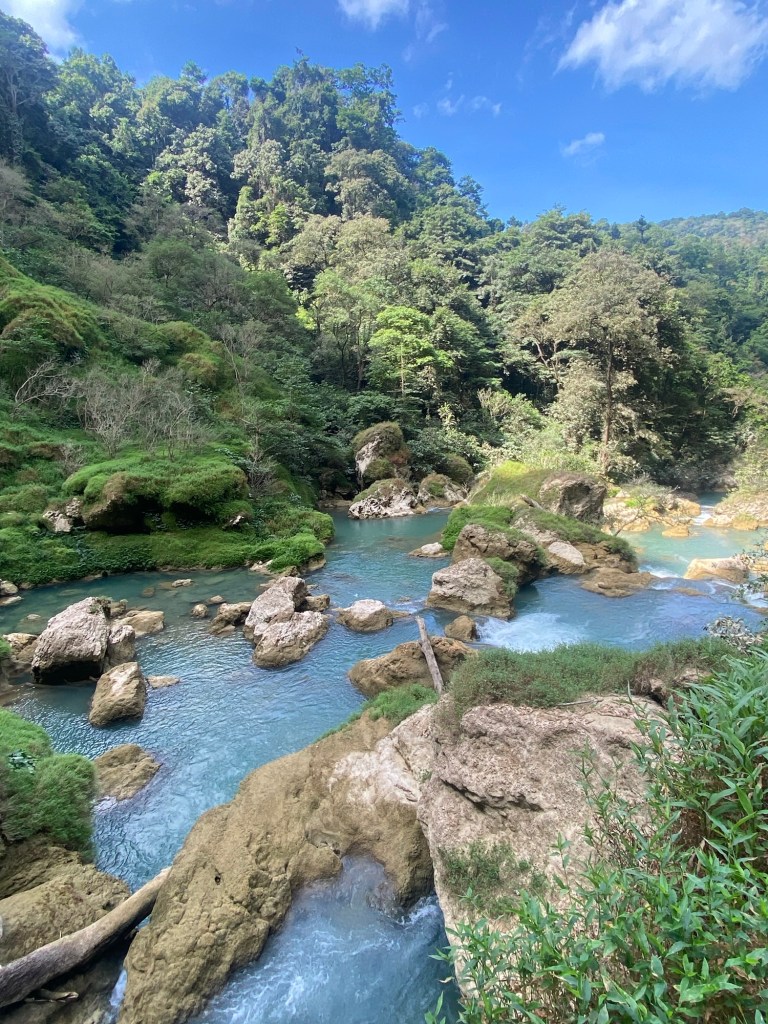
And then, suddenly, the greenery opens up and you’re there. After the steps, the balancing act and the jungle trek, the setting feels almost unreal. Lush vegetation tumbles over the rocks, the water spills into a beautiful blue-green pool, and everything feels wonderfully secluded. It’s like stumbling into a scene from a fantasy film, one of those magical places you half expect to discover only exists in someone’s imagination.
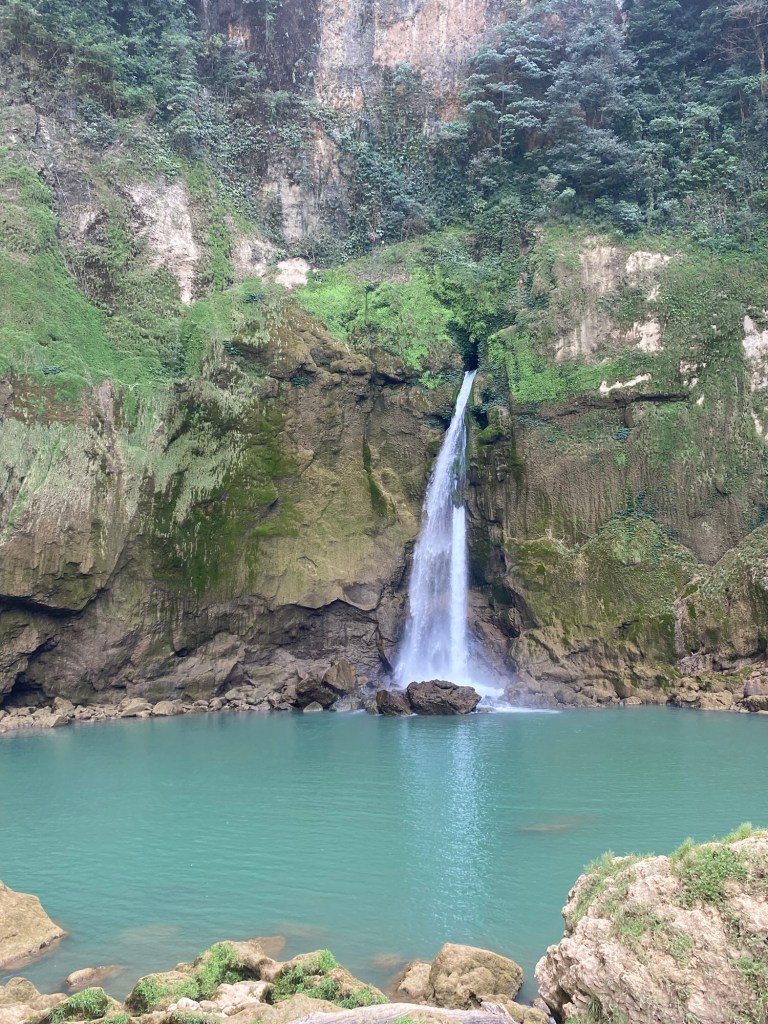
What makes Matayangu so special is that you don’t simply arrive at a waterfall; you earn the experience of discovering it. The slightly ridiculous water-pipe walk, the challenging steps and the thick jungle all become part of the story. It’s a little wild, a little unpredictable and all the more memorable for it.
If you’re planning to visit, wear shoes with decent grip, take plenty of water and go with a local guide. The route can be slippery and challenging, particularly after rain, so it’s worth taking your time rather than rushing. But if you’re up for a bit of an adventure, Matayangu is one of those places that reminds you exactly why exploring somewhere like Sumba is so rewarding.
Lapopu Waterfall: a cascade tucked into the forest
Lapopu offers another perspective on the island’s natural beauty.
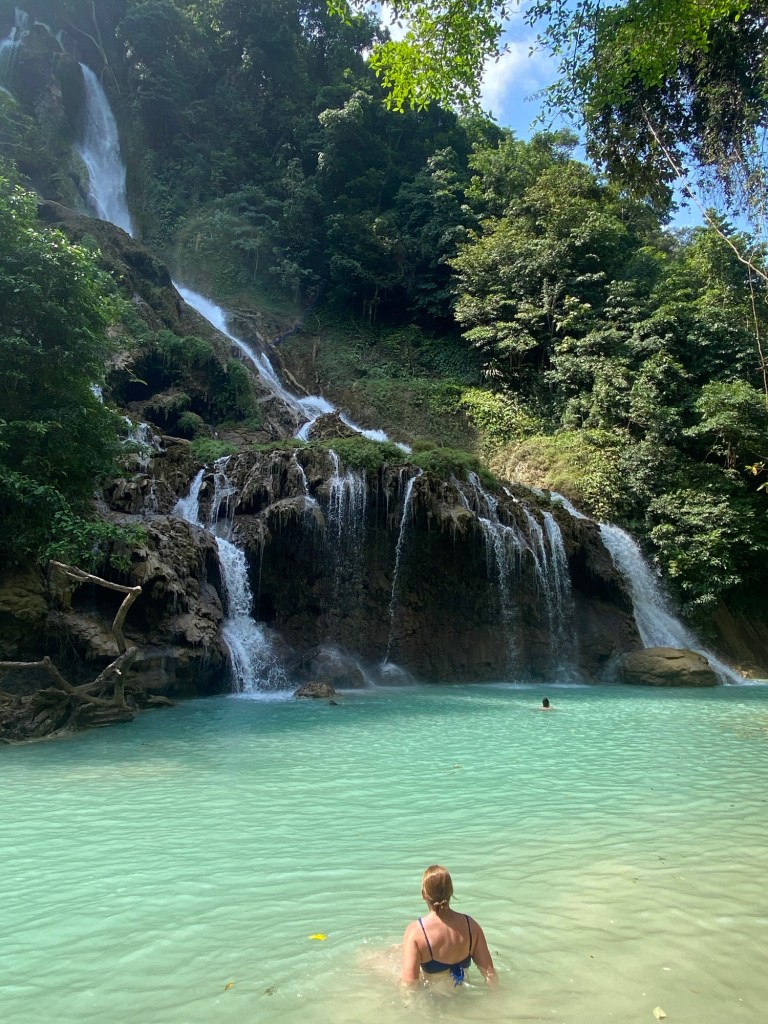
Located within Manupeu-Tanah Daru National Park, the waterfall is known for its cascading tiers, where water tumbles down a series of rock ledges into a pool below. Surrounded by tropical vegetation, it has a very different feel from Matayangu’s more enclosed canyon setting.
Getting to the falls involves a short walk through the forest and, depending on the route and conditions, crossing a bamboo bridge. It is not a long expedition, but the terrain can be uneven and slippery, so suitable footwear is important.
The sound of the water becomes increasingly noticeable as you approach, eventually drawing you towards the cascade itself. In the right conditions, the pools and surrounding rocks create a beautiful setting for photographs or a moment to sit and take in the forest.
Swimming may be possible in suitable conditions, but never assume that a natural pool is safe. Water levels and currents can change, particularly after rain, and local guidance should take priority.
Lapopu is also a reminder of the biodiversity that exists beyond Sumba’s familiar beaches and savannahs.
Two waterfalls, one memorable day
Combining Matayangu and Lapopu makes sense if you want to experience more of Sumba’s interior in a single excursion. However, do not underestimate the time involved. Even when the waterfalls are geographically connected, driving conditions and walking routes can make the day longer than expected.
Ask your hotel to arrange a knowledgeable local driver or guide and confirm the current access conditions before setting out. The best itinerary will depend on where you are staying, the season and how much walking you are comfortable doing.
The waterfalls are particularly rewarding for travellers who enjoy nature without needing a highly developed visitor experience. There are no grand facilities or polished viewing platforms to distract from the surroundings. Instead, you get forest, rock, flowing water and the feeling of having ventured somewhere genuinely different.
The day-trip verdict
If you have already spent time on Sumba’s beaches, this is the excursion that reveals another side of the island. The waterfalls are spectacular in their own right, but the drive through the countryside and the opportunity to experience the island beyond its coastal resorts make the day equally worthwhile.
Where to stay
Choosing the right base makes a real difference on Sumba, where road journeys can be lengthy and the attractions are spread across a large island.
For the waterfalls, Alamayah or the Sanubari is the best option. Road infrastructure on Sumba is patchy and even from these hotels, it is an hour drive. From the hotels on the South West coast, it is nearer 3 hours.
For Waikuri and Mandorak, the opposite is true. Cap Karoso or Arya means these locations are close and you can get there when it’s still quiet.
Practical tips for exploring Sumba
- Arrange a local driver. Roads can be slow, signage limited and journey times unpredictable. Ask your hotel to help plan a realistic route.
- Start early. Both excursions cover several stops, and an early departure gives you more time at each location and a better chance of avoiding the midday heat.
- Choose the season carefully. The dry season generally makes travel easier, while the waterfalls can be more impressive after the rains. Conditions vary, so check locally before you go.
- Pack for the day. Bring water, sun cream, a hat, insect repellent, swimwear, a towel and sturdy shoes for the waterfalls.
- Respect local communities and nature. Ask permission before photographing people, follow your guide’s advice and take rubbish away with you.
- Keep plans flexible. Rural roads, weather and local conditions can affect your itinerary. Build in extra time rather than trying to fit too much into one day.
Why Sumba deserves more than a beach holiday
What makes Sumba so special is the way its experiences complement one another. One day you can be swimming in a clear lagoon or watching waves break against limestone cliffs; the next, you can be walking through forest towards a waterfall or learning about traditions that remain an integral part of island life.
These two excursions offer a taste of that variety. The coastal route is a wonderful introduction to Sumba’s beaches and cultural heritage, while the waterfalls reveal a greener, quieter side of the island that many visitors might otherwise miss.
Come for the beaches, by all means. But leave time to explore beyond them. That is where Sumba really begins to reveal itself.

