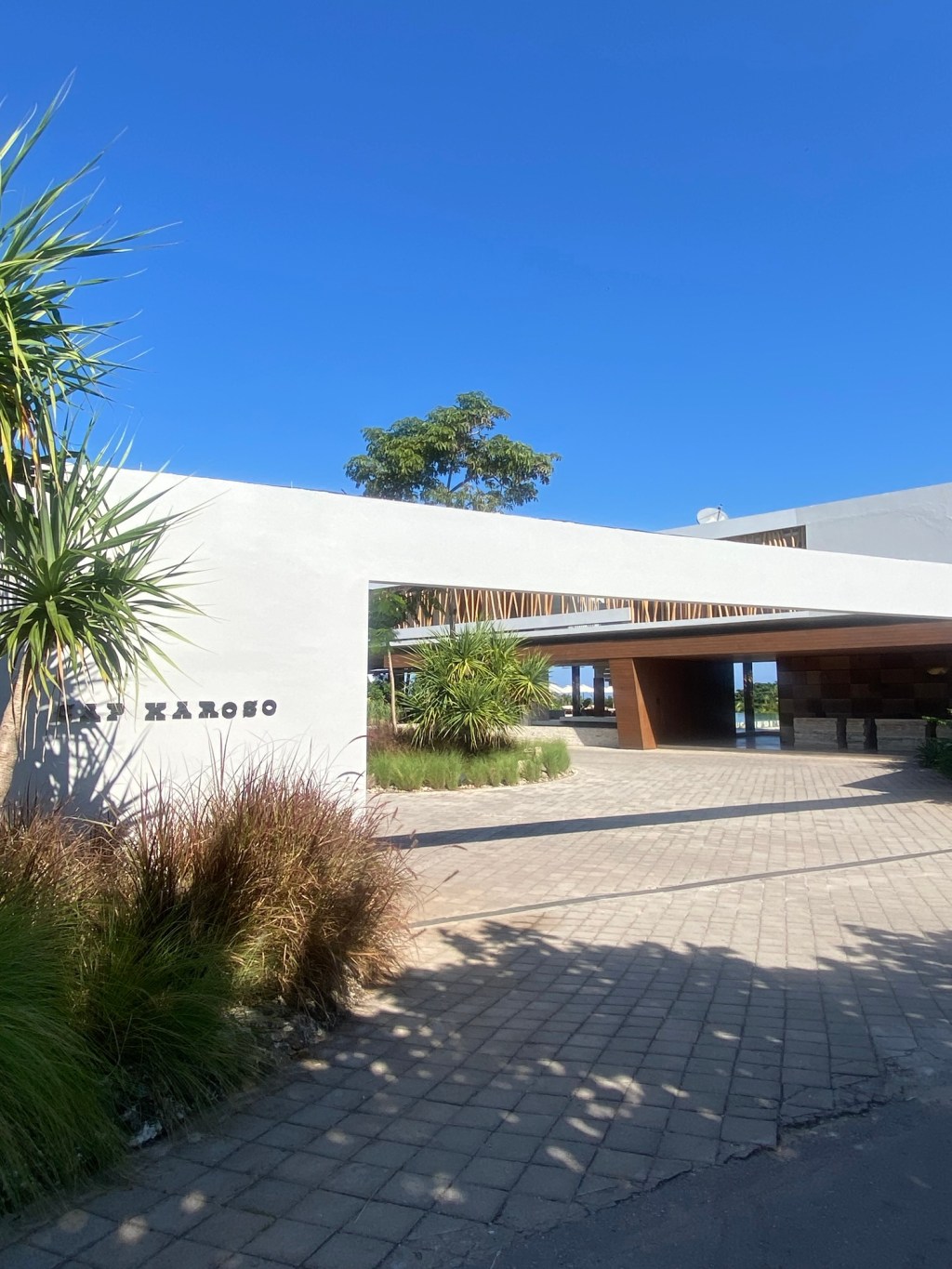
There is an undeniable, cinematic poetry to arriving on the wild shores of West Sumba. Stepping onto the sands of Pantai Karoso after a short flight, I felt firmly removed from the hyper-tourism of neighboring Bali. Here, the landscape feels vast, untamed, and deeply spiritual. It is against this raw backdrop that Cap Karoso rises—a tropical modernist masterpiece designed by Gary Fell and Jakarta’s Bitte Design Studio, born from the vision of a French couple seeking to bridge Parisian epicureanism with ancient Sumbanese culture.
Cap Karoso was the reason I discovered Sumba a couple of years ago. In seeking out destinations that are less travelled, and more authentic, I came across an article on this hotel. My interest was piqued and I knew when I had the opportunity, I had to stay here. My one-night stay revealed a property of breathtaking visual triumphs, though one perhaps still searching for its rhythm and soul.
The Aesthetic Vision
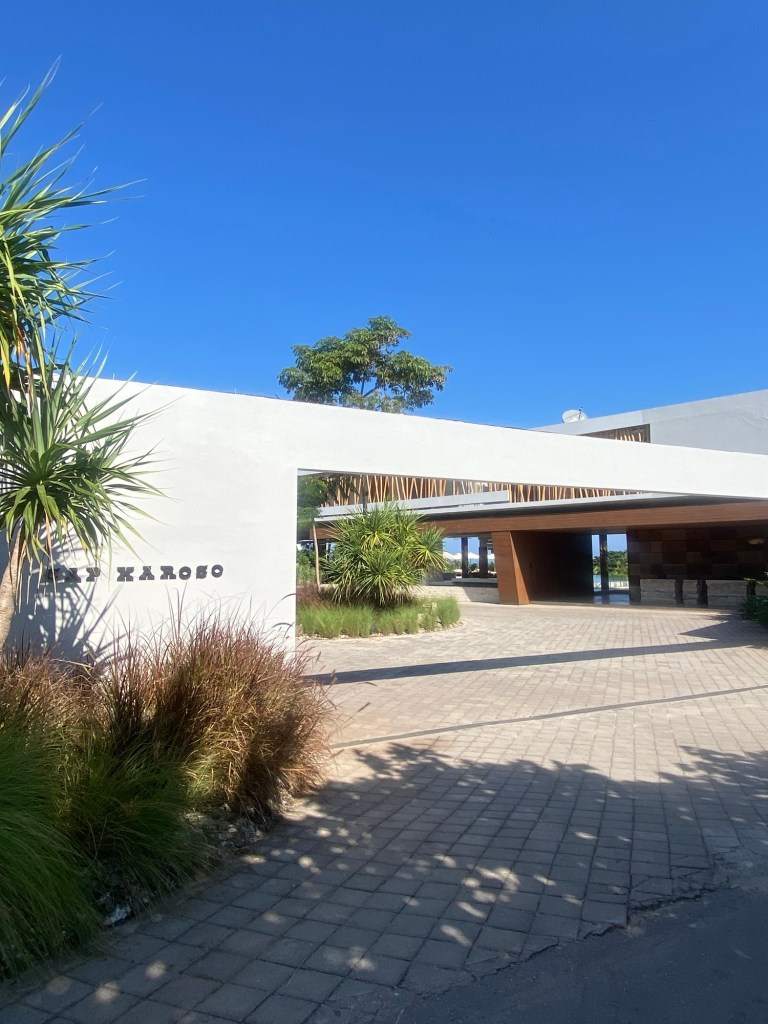
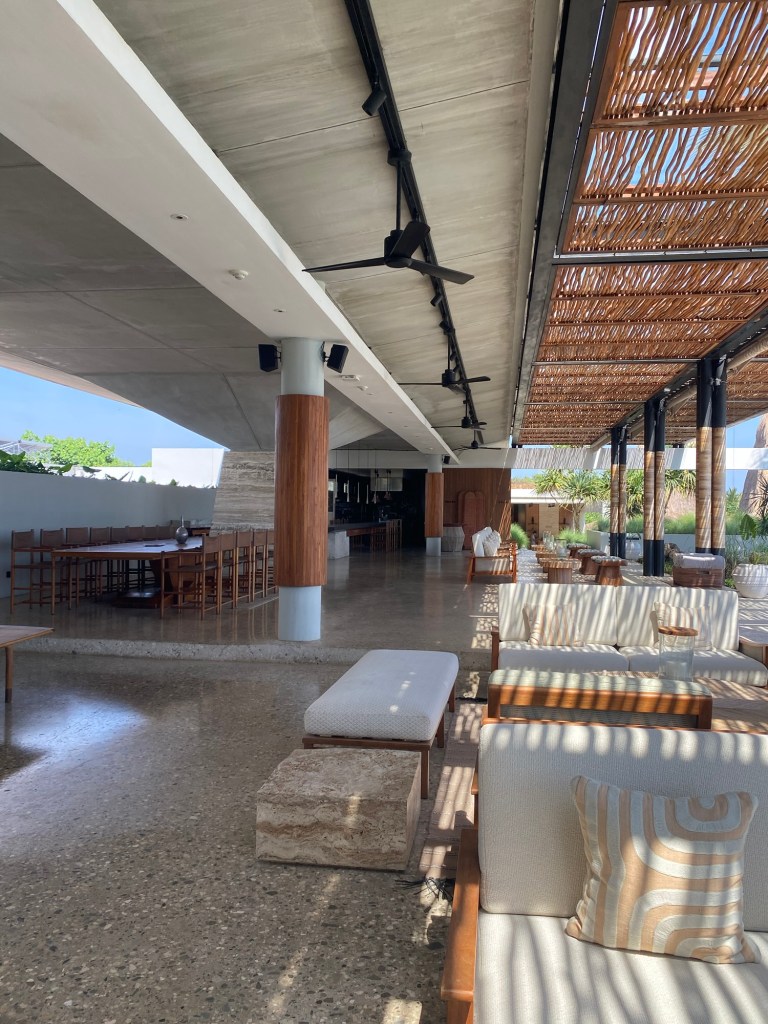
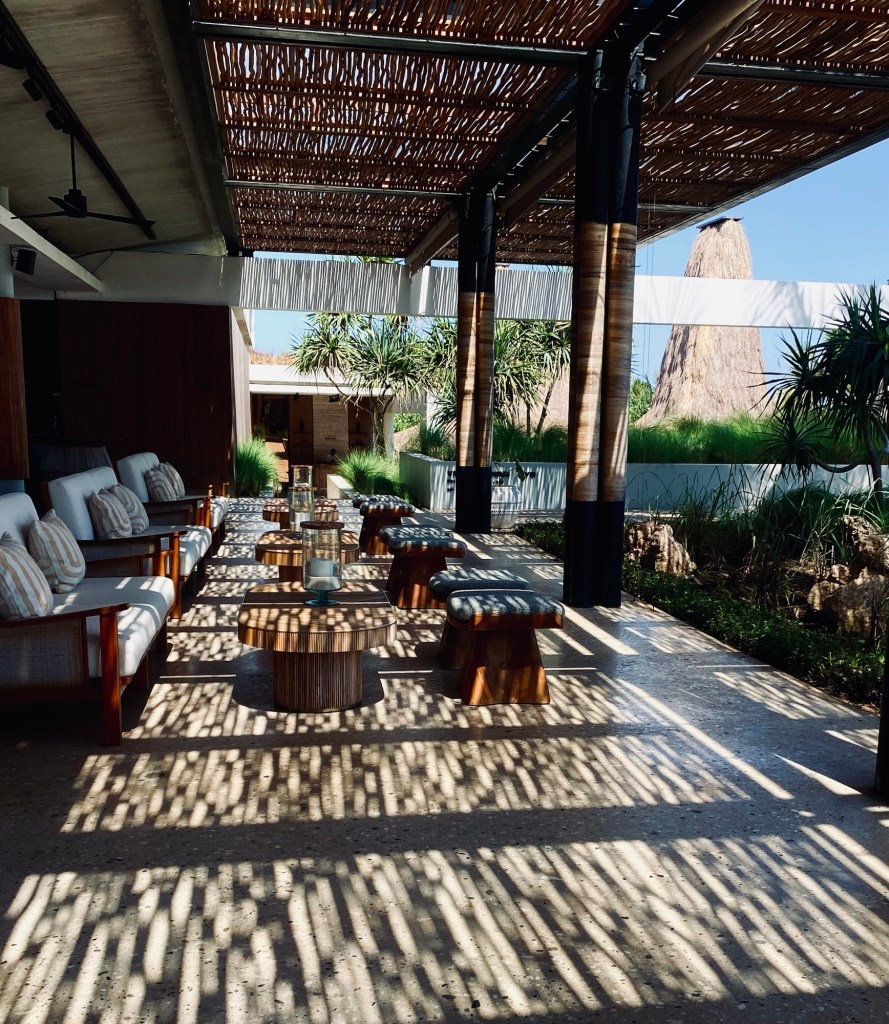
Aesthetically, Cap Karoso is a triumph. The architecture relies on clean, Brutalist-leaning lines, polished concrete, and blocks of travertine that subtly mirror the island’s ancient megalithic tombs. Yet, the design never feels sterile. It is beautifully softened by indigenous Sumbanese accents: hand-carved wooden panels inspired by local ikat weaving, warm rattan textures, and local ceramics from Gaya. The accommodations seamlessly blend indoor and outdoor living, featuring plant-based roofs that melt into the landscape and which provide glorious mottled shade throughout the day.
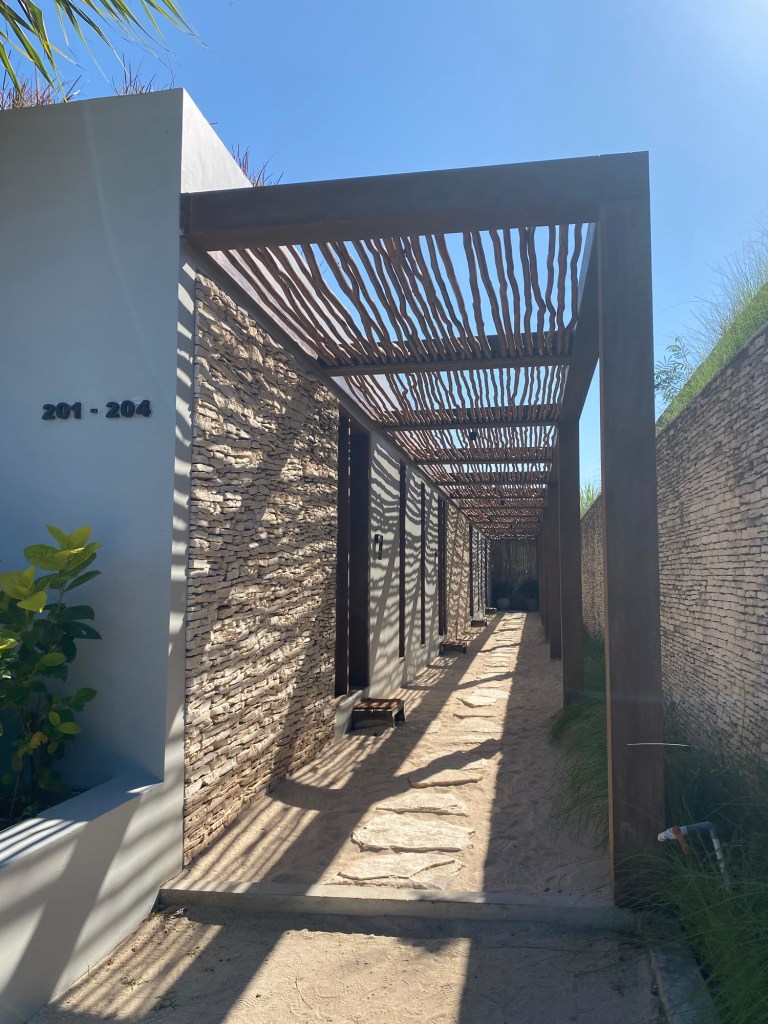
The 40 rooms and 20 villas are beautifully appointed, and decorated with more than a nod to local craftsmanship. Low, comfortable beds paired with soft bedding, walk in showers and/or bathtubs and local artwork and ceramics adorn the rooms.
Whispers of Solitude
During my stay in early June, the resort operated at a quiet 30% occupancy, partly due to it not being school holidays and partly because of the fact you have to make an effort to get to Sumba. While luxury travellers or those seeking solitude often crave exclusivity, the scale of the property combined with its low guest count translated into a lack of atmosphere. The communal spaces felt less like private sanctuaries and more like beautiful, empty stages waiting for a performance to begin. I encountered very few guests and of the few that I interacted with, the lack of atmosphere was commented upon. It was suggested that perhaps music from sunset in the beach bar would go a long way to enticing people to stay a while longer and enjoy the obvious hospitality of the staff.
However, this quietude yielded magnificent perks for a solo traveler seeking absolute solitude:
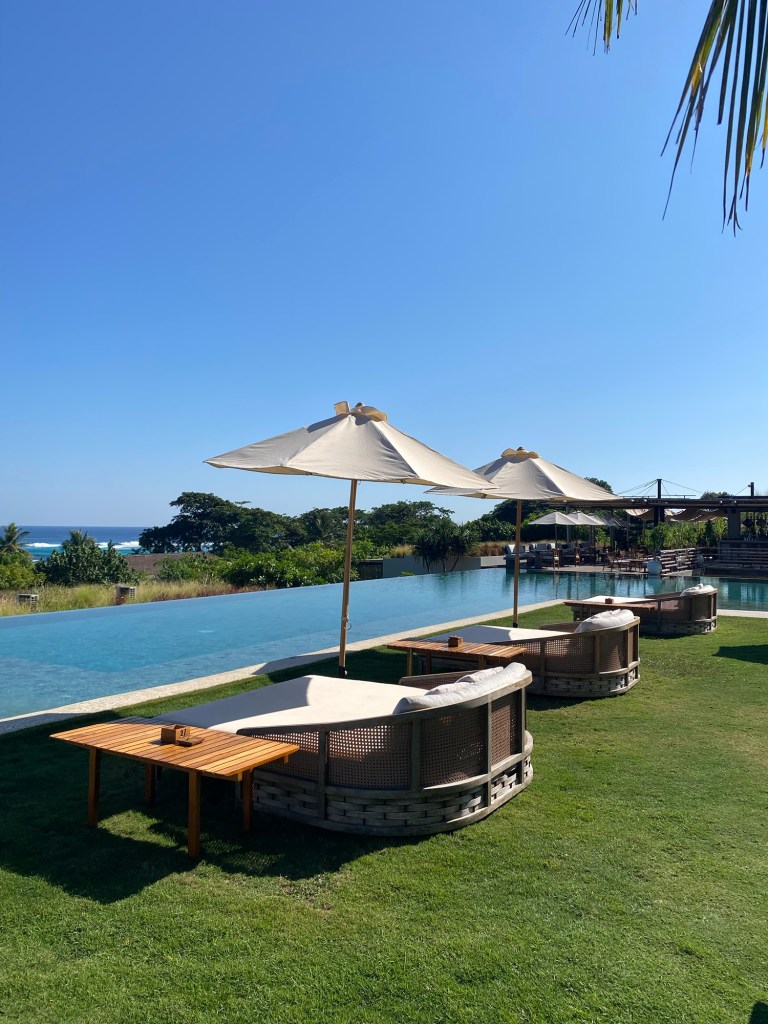
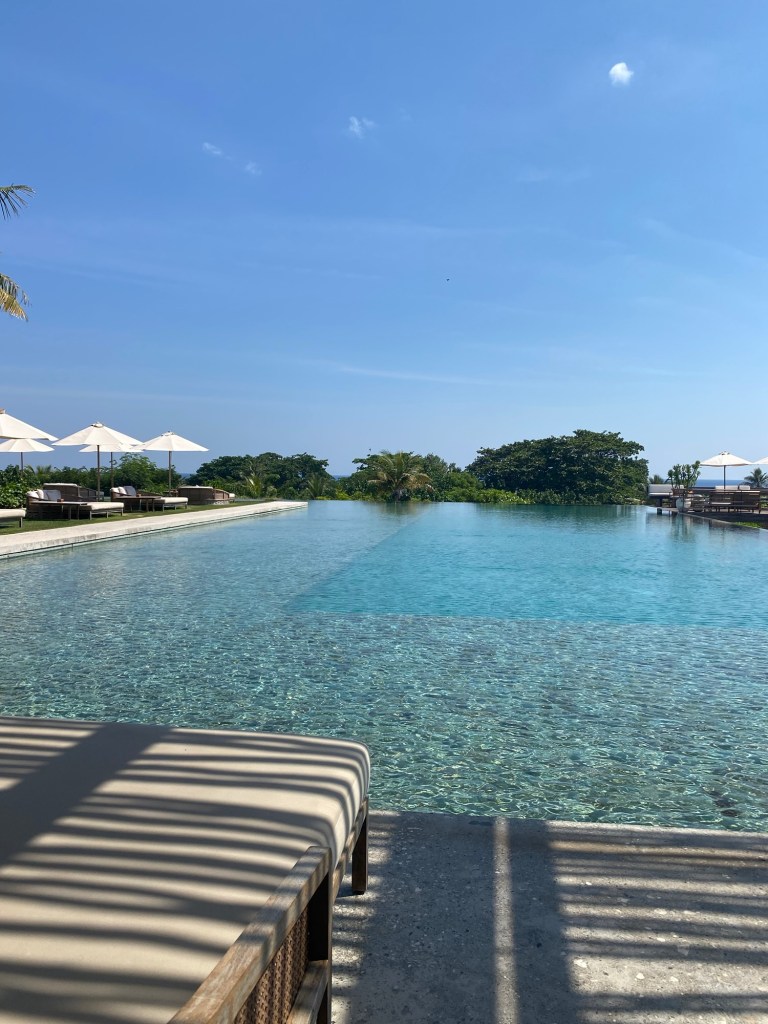
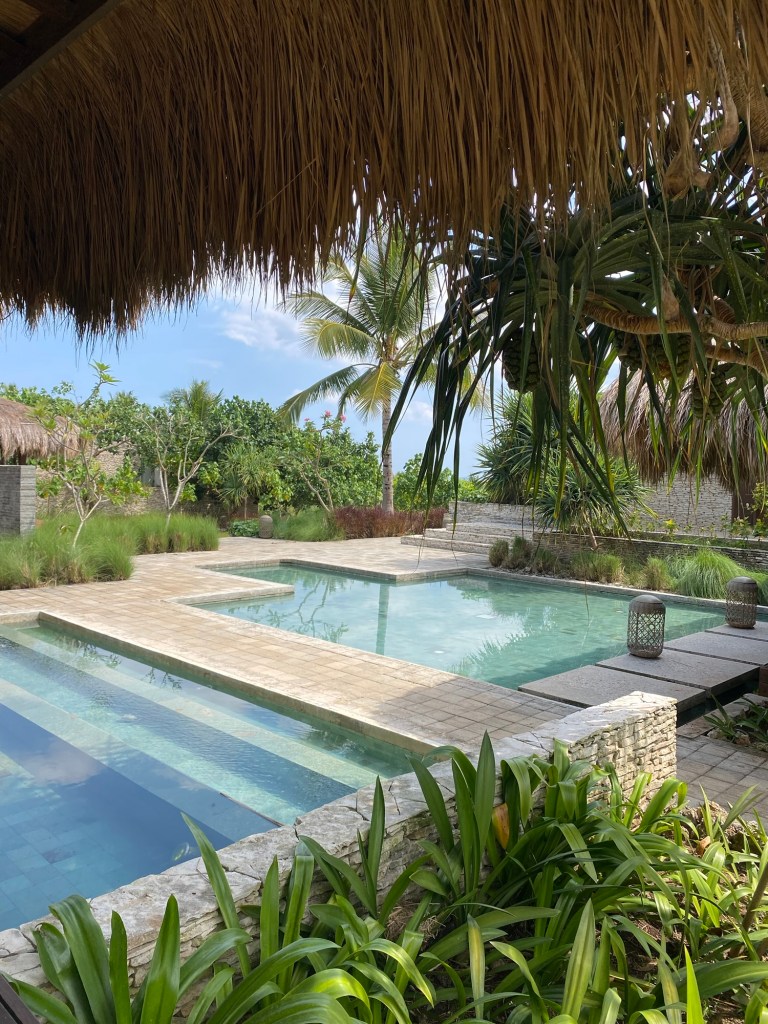
- The Pools: The resort’s stunning infinity pools were mostly completely empty, offering undisturbed, glass-like mirrors reflecting the shifting Sumba sky.
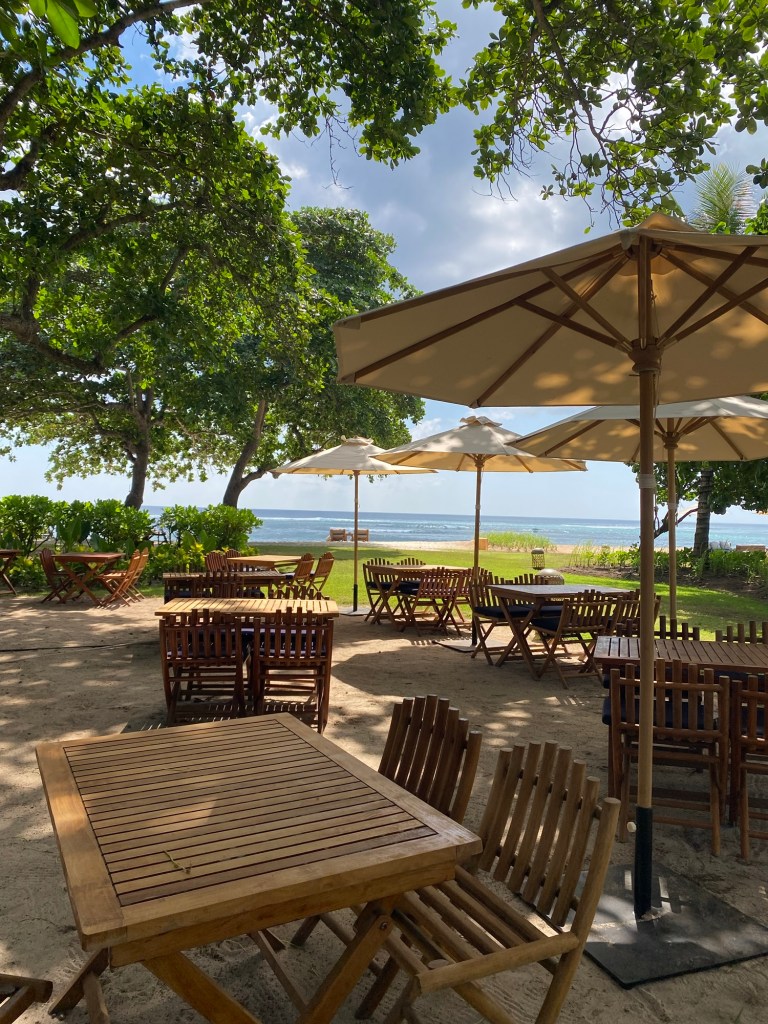
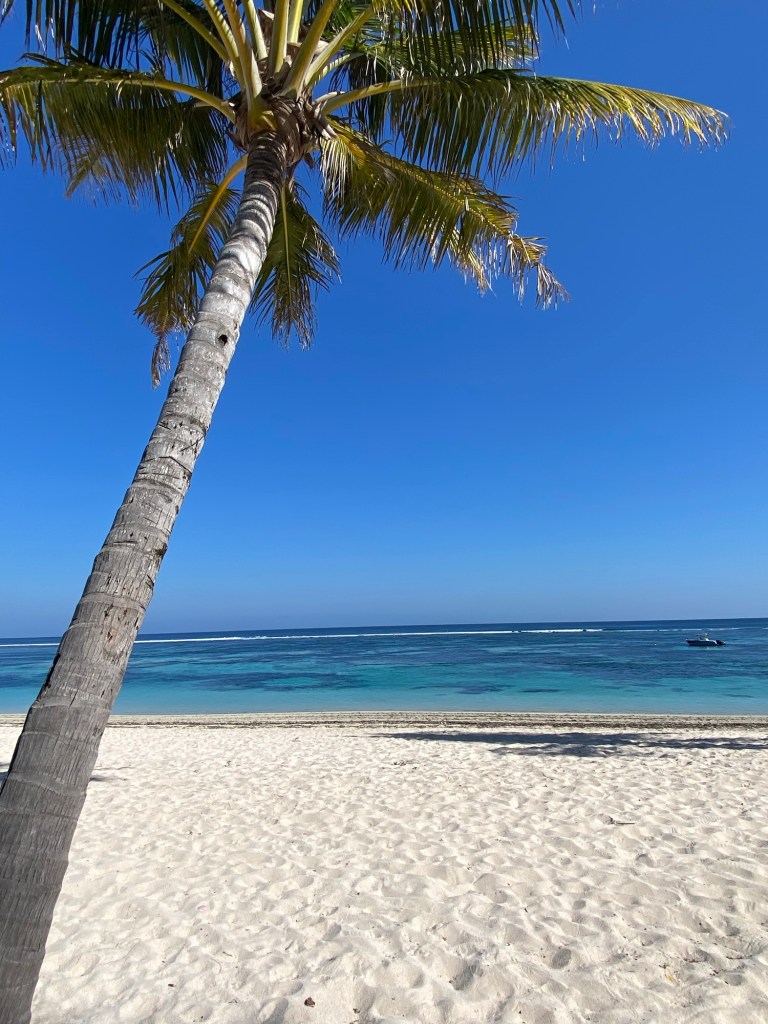
- The Beach: The long, powdery stretch of Karoso Beach was quiet—just the rhythmic crash of the Indian Ocean, a handful of fellow guests enjoying the loungers under the shade of the palms, and the occasional distant silhouette of a local fisherman.
- Malala Spa: A true love letter to the island’s heritage, the spa is a sanctuary of high-peaked, thatched-roof Sumbanese houses dotting illuminated pools and pampas grass. Here, I can confirm that the signature Moro Ndahka massage, utilizing oils derived from local tree bark, offered a flawless, deeply restorative escape.
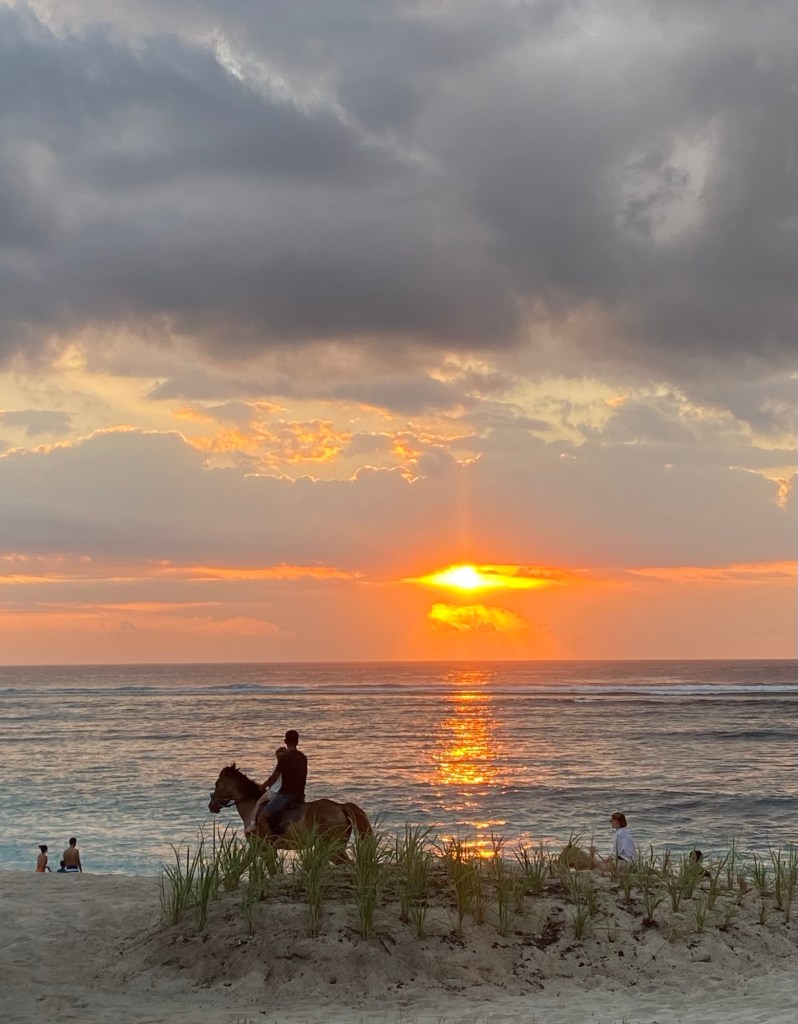
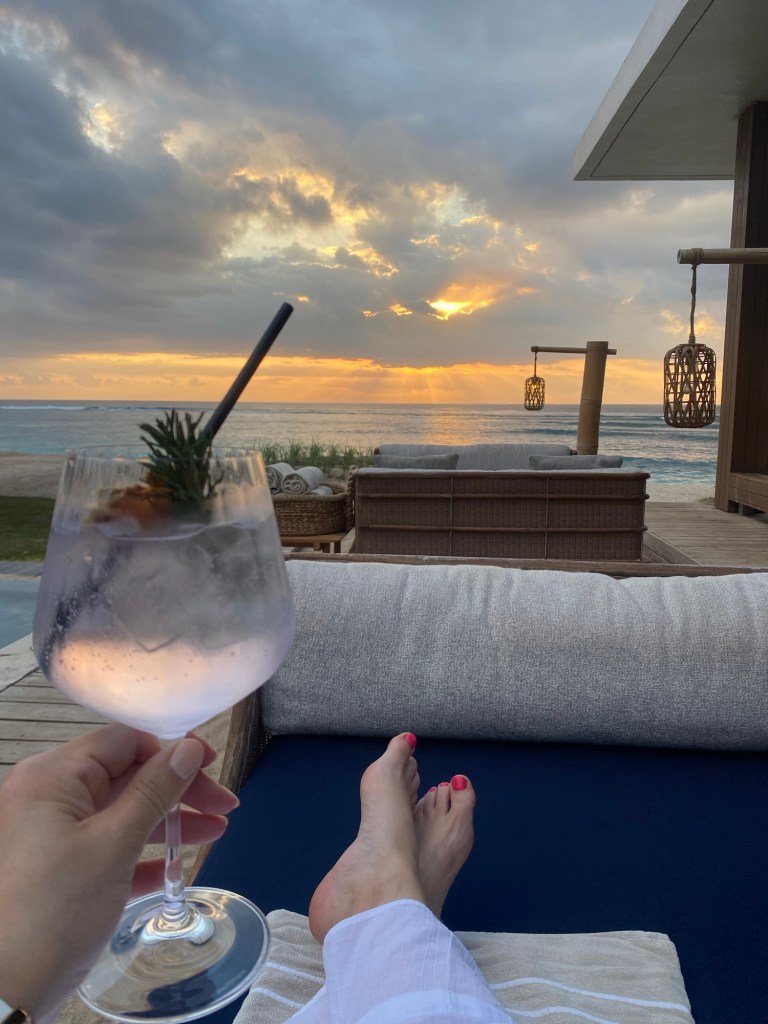
The Beach Bar was the ideal place to watch the horses canter along the best at sunset as Cap Karoso occupies a perfect west facing vista across the ocean.
Culinary Concepts & Local Exploration
The culinary program offers compelling variety, heavily anchored by the resort’s three-hectare organic farm.
- The Beach Club: Serving casual, fresh Mediterranean-Indonesian fare.
- Apicine: Positioned by the main pool, offering Basque-inspired finger foods during the day and a more extensive menu at night, and sharp cocktails.
- Julang: The resort’s crown jewel—a fine-dining concept featuring a single refectory community table where visiting international chefs hold creative culinary residencies. Sadly this wasn’t open when I stayed, but it looked amazing.
For those looking to venture beyond the modernist gates, Cap Karoso serves as an excellent launchpad for customized local tours. The surrounding Kodi region is home to some of the most well-preserved Marapu cultural traditions in Sumba. The resort seamlessly coordinates excursions into traditional villages characterized by uma mbatangu (25-meter-tall peaked roofs), as well as opportunities for horseback riding on the beach, observing natural dye ikat weaving, shamanic experiences, or exploring the turquoise lagoons. Bikes and scooters are available for use by guests and drivers can also be arranged.
The Disconnect
While the physical structure and creative vision of Cap Karoso are undeniably world-class, the human element during my stay felt a little detached. Despite the low occupancy and the high ratio of staff to guests, the service proved to be somewhat patchy.
Moments of warm hospitality were occasionally punctuated by long waits, a lack of attention to detail, and a general lack of anticipation that one typically expects at this price point. In an empty hotel, service should theoretically be seamless; here, the quietness seemed to induce a slow, unfocused pace rather than an attentive one.
Cap Karoso has all the raw ingredients of an iconic remote hideaway—the design is impeccable, the location is mesmerizing, and the dedication to sustainability is genuine. As my reason for travelling 17 hours, I wanted to love this hotel, but for now, as it navigates Sumba’s untamed frontier, based on my experience, it remains a strikingly beautiful mirage still waiting for its service and soul to fully catch up to its design.